- Produkt-Art
- Gaming Monitor307LED-Monitor73LCD-Monitor23Studio Display10OLED-Monitor8Portabler Monitor5Touchscreen-Monitor2Smart Monitor1
- AbsenderneuUnser Marktplatz-UpdateAlle Rechnungen von ConradRetourenabwicklung über Conrad(14 Tage Rückgaberecht)
- Preis
- Marke
- Asus114Samsung43Iiyama36Gigabyte31MSI30Arozzi24Viewsonic22ASRock21Acer20LC Power16Dell14Alienware11BenQ11LG Electronics11Philips11Apple10AOC6Philips Monitore4Verbatim4Arzopa3ODYS3Thermaltake3Lenovo2Denver1Uperfect1Xiaomi1
- Nur ISO-zertifizierte Verkäufer
- Nein1701Ja302
- Besonderheiten
- Neigbar179Höhenverstellbar159Flicker Free-Technologie124VESA Mount 100 x 100 mm118Integrierte Lautsprecher117High Dynamic Range (HDR)102Schwenkbar95Blaulicht-Reduktion87Kensington-Lock74G-Sync63AMD RADEON FreeSync59Pivot-Funktion57Freesync55Curved-Display52Kopfhöreranschluss51Full HD-Auflösung48Drehbar auf Hochformat22Blaulicht-Filter17WQHD-Auflösung15USB-Dock14Integrierte Webcam13UHD-Auflösung13Ultra WQHD-Auflösung11Großer Farbraum P310Integriertes Mikrofon10Standard Glas10True Tone Technologie10VESA DisplayHDR 4009Betriebssystem Tizen7Bluetooth7Inkl. Fernbedienung7Samsung Smart-Features7Unterstützt Amazon Alexa7Unterstützt Bixby Voice Assistant7WiFi7Integrierter KVM-Switch6Ohne Standfuß4Quantum Dot-Display3Konsolenmodus2Touchscreen2Ethernet-Anschluss1Inkl. Netzwerkadapter1Integrierte Wasserkühlung1Nano-Texture Glas1QLED1
- Schnittstellen
- DisplayPort185HDMI®182Kopfhörer-Buchse81USB-C®55Kopfhörer (3.5 mm Klinke)52USB-A (USB 3.2 Gen 1)28HDMI® 2.115VGA14USB-B13Audio-Line-out12USB-A (USB 2.0)12Thunderbolt 510Audio, stereo (3.5 mm Klinke)9USB-A8Bluetooth®7RJ457USB7WLAN7HDMI® 2.0b5USB-A (USB 3.0)5USB-C® (DP Alt Mode)5DVI4Mini DisplayPort4Mini HDMI™3USB-C® (USB 3.2 Gen 1)3DisplayPort 2.12Micro HDMI™2Micro USB2Mikrofon-Buchse2USB-A (USB 3.1 Gen 1)2USB-A (USB 3.2 Gen 2)2USB-C® (USB 2.0)2USB-C® PD2Audio-Line-in1Gigabit-LAN (1 Gbit/s)1HDMI® Eingang1Thunderbolt 41USB-A (Host)1USB-C® (USB 3.2 Gen 2)1
- Anwendungsbereich
- Energieeffizienzklasse
- Display (Zoll)
- Bildfrequenz / Verbesserung
- Bildformat
- Reaktionszeit
- Display-Auflösungsmodus
- Panel-Technologie
- Auflösung (max.)
- Filialverfügbarkeit
- Refurbished & Angebote
Gaming Monitore
438 ErgebnissePhilips Monitore Brilliance P-line 499P9H LED-Monitor EEK G (A - G) 124 cm (48.8 Zoll) 5120 x 1440 Pixel 32:9 5 ms USB-A
Apple Studio Display (2026) Studio Display Standard Glas EEK F (A - G) 68.6 cm (27 Zoll) 5120 x 2880 Pixel Thunderbolt 5

Verbatim LIGHT Touchscreen-Monitor EEK A (A - G) 35.6 cm (14 Zoll) 16:9 10 ms
Viewsonic VX3418C-2K LED-Monitor EEK F (A - G) 86.4 cm (34 Zoll) 3440 x 1440 Pixel 21:9 1 ms HDMI® 2.0b VA LED
Apple Studio Display (2026) Studio Display Standard Glas EEK F (A - G) 68.6 cm (27 Zoll) 5120 x 2880 Pixel Thunderbolt 5
Iiyama ProLite XUB2492QSU-B1 LED-Monitor EEK F (A - G) 61 cm (24 Zoll) 2560 x 1440 Pixel 16:9 0.5 ms HDMI®, DisplayPort,
Verbatim PM-14 Portabler Monitor EEK A (A - G) 35.6 cm (14 Zoll) 1920 x 1080 Pixel 16:9 6 ms HDMI®, USB-A (USB 2.0), USB
Asus ROG Swift OLED PG27UCDM Gaming Monitor EEK F (A - G) 67.3 cm (26.5 Zoll) 3840 x 2160 Pixel 16:9 0.03 ms HDMI®, Disp
Samsung Odyssey Ark S55CG970NU Smart Monitor EEK G (A - G) 139.7 cm (55 Zoll) 3840 x 2160 Pixel 16:9 1 ms DisplayPort, H
Arzopa Portabler Monitor EEK F (A - G) 40.9 cm (16.1 Zoll) 2560 x 1440 Pixel 16:9 25 ms HDMI®, USB-C®, USB-A (Host) IPS
Asus XG49VQ Gaming Monitor EEK G (A - G) 124.5 cm (49 Zoll) 3840 x 1080 Pixel 32:9 4 ms HDMI®, DisplayPort, USB, Kopfhör
Apple Studio Display XDR (2026) Studio Display Standard Glas EEK F (A - G) 68.6 cm (27 Zoll) 5120 x 2880 Pixel Thunderbo

Alienware DELL Alienware 34 Gaming Monitor AW3425DWM 86.36cm 34inch VA 3440x1440 21:9 400c Gaming Monitor EEK G (A - G)
Asus ROG Strix XG32UQDMS Gaming Monitor EEK G (A - G) 80 cm (31.5 Zoll) 3840 x 2160 Pixel 16:9 0.03 ms OLED
Iiyama G-Master Curved ETE DQHD Gaming Monitor EEK F (A - G) 113 cm (44.5 Zoll) 5120 x 1440 Pixel 32:9 0.8 ms HDMI®, Dis
Viewsonic VG3419C-2 LED-Monitor EEK F (A - G) 86.4 cm (34 Zoll) 3440 x 1440 Pixel 21:9 3.5 ms DisplayPort, USB-B, USB-C®
Asus ROG Strix OLED XG32UCWMG Gaming Monitor EEK G (A - G) 80 cm (31.5 Zoll) 3840 x 2160 Pixel 16:9 0.03 ms DisplayPort,
Acer Nitro QG240Y S3 Gaming Monitor EEK E (A - G) 60.5 cm (23.8 Zoll) 1920 x 1080 Pixel 16:9 1 ms HDMI®, Kopfhörer (3.5
Samsung Odyssey G5 LS32CG554EU Gaming Monitor EEK G (A - G) 81.3 cm (32 Zoll) 2560 x 1440 Pixel 16:9 1 ms DisplayPort, H

Verbatim LIGHT Touchscreen-Monitor EEK A (A - G) 39.6 cm (15.6 Zoll) 16:9 10 ms
Samsung S32FM700UU LED-Monitor EEK F (A - G) 81.3 cm (32 Zoll) 3840 x 2160 Pixel 16:9 4 ms HDMI®, USB-A (USB 2.0), USB-C

Samsung Odyssey G9 S49FG910EU - G91F Series - LED-Monitor - Gaming - gebogen - 124.5 cm (49"")

Samsung Odyssey OLED G9 S49DG910SU - G91SD Series - OLED-Monitor - Gaming - gebogen - 124.5 cm (49"")
Asus VG328QA1A TUF Gaming Monitor EEK F (A - G) 80 cm (31.5 Zoll) 1920 x 1080 Pixel 16:9 1 ms DisplayPort, HDMI®, Kopfhö
Iiyama GCB3484WQSU-B1 LED-Monitor EEK F (A - G) 86.4 cm (34 Zoll) 3440 x 1440 Pixel 21:9 0.4 ms DisplayPort VA LED
LG Electronics UltraGear 45GS95QX-B Gaming Monitor EEK F (A - G) 114.3 cm (45 Zoll) 3440 x 1440 Pixel 21:9 0.03 ms OLED
Iiyama G-Master Curved Red Eagle Gaming Monitor EEK F (A - G) 114.3 cm (45 Zoll) 5120 x 1440 Pixel 32:9 0.8 ms HDMI®, Di
ASRock CL27FFB Gaming Monitor EEK E (A - G) 68.6 cm (27 Zoll) 1920 x 1080 Pixel 16:9
Iiyama G-MASTER Gaming Monitor EEK F (A - G) 86.4 cm (34 Zoll) 3440 x 1440 Pixel 21:9 0.4 ms
ASRock CL25FFB Gaming Monitor EEK E (A - G) 62.2 cm (24.5 Zoll) 1920 x 1080 Pixel 16:9
MSI MAG 345CQRDE Gaming Monitor EEK F (A - G) 86.4 cm (34 Zoll) 3440 x 1440 Pixel 16:9 1 ms HDMI®, DisplayPort, Kopfhöre
Alienware Alienware AW2725DM Monitor PC 68.6 cm (27) 2560 x 1440 Pixel Wide Quad HD LCD Bl Gaming Monitor EEK F (A - G)
Dell U4025QW Ultrasharp LED-Monitor EEK F (A - G) 100.8 cm (39.7 Zoll) 5120 x 2160 Pixel 21:9 5 ms HDMI®, DisplayPort, T

Denver PMO-15604 LED-Monitor EEK B (A - G) 39.6 cm (15.6 Zoll) 16:9 30 ms Mini HDMI™, USB-C®, Kopfhörer (3.5 mm Klinke)
Asus Eye Care VA249HG Gaming Monitor EEK C (A - G) 61 cm (24 Zoll) 1920 x 1080 Pixel 16:9 1 ms HDMI®, VGA IPS LCD
Samsung Odyssey G5 LS27CG554EU Gaming Monitor EEK F (A - G) 68.6 cm (27 Zoll) 2560 x 1440 Pixel 16:9 1 ms DisplayPort, H
ODYS XP32-X LED-Monitor EEK F (A - G) 81.3 cm (32 Zoll) 2560 x 1440 Pixel 16:9 1 ms HDMI® 2.1, DisplayPort, Kopfhörer (3
BenQ MOBIUZ EX271Q Gaming Monitor EEK F (A - G) 68.6 cm (27 Zoll) 2560 x 1440 Pixel 16:9 1 ms HDMI®, DisplayPort, USB-C®
Viewsonic VX3276-4K-MHD LCD-Monitor EEK F (A - G) 81.3 cm (32 Zoll) 3840 x 2160 Pixel 16:9 8 ms DisplayPort, HDMI®, Audi
ODYS i27-Q-100 LED-Monitor EEK E (A - G) 68.6 cm (27 Zoll) 2560 x 1440 Pixel 16:9 1 ms HDMI® 2.1, DisplayPort, USB-C®, K
AOC 25G3ZM/BK Gaming Monitor EEK E (A - G) 62.2 cm (24.5 Zoll) 1920 x 1080 Pixel 16:9 1 ms HDMI®, DisplayPort, Kopfhörer
Iiyama G-MASTER Gaming Monitor EEK E (A - G) 60.5 cm (23.8 Zoll) 1920 x 1080 Pixel 16:9 0.3 ms HDMI® IPS LED
Viewsonic TD2223 LED-Monitor EEK E (A - G) 55.9 cm (22 Zoll) 1920 x 1080 Pixel 16:9 5 ms DVI, HDMI®, VGA TN LCD
Samsung Odyssey OLED G9 LS49DG934SU LED-Monitor EEK G (A - G) 124.5 cm (49 Zoll) 5120 x 1440 Pixel 32:9 0.03 ms DisplayP
Asus TUF Gaming VG34WQML5A LED-Monitor EEK F (A - G) 86.4 cm (34 Zoll) 3440 x 1440 Pixel 21:9 1 ms VA LED
Iiyama G-MASTER Gaming Monitor EEK D (A - G) 68.6 cm (27 Zoll) 2560 x 1440 Pixel 16:9 1 ms HDMI® IPS LED
LC Power LC-M44-DFHD-120 Gaming Monitor EEK G (A - G) 111.3 cm (43.8 Zoll) 3840 x 1080 Pixel 32:9 4 ms Audio, stereo (3.

Verbatim LIGHT Portabler Monitor EEK A (A - G) 39.6 cm (15.6 Zoll) 16:9 10 ms
Asus TUF Gaming VG279Q5R Gaming Monitor EEK E (A - G) 68.6 cm (27 Zoll) 1920 x 1080 Pixel 16:9 1 ms HDMI®, DisplayPort,
Alienware AW3425DW Gaming Monitor EEK F (A - G) 86.4 cm (34 Zoll) 3440 x 1440 Pixel 21:9 0.03 ms DisplayPort OLED
Asus ROG Swift PG27AQWP-W LCD-Monitor EEK F (A - G) 67.3 cm (26.5 Zoll) 2560 x 1440 Pixel 16:9 0.02 ms Kopfhörer-Buchse
Dell DELL SE2725HG Monitor PC 68.6 cm (27) 1920 x 1080 Pixel Full HD LCD Nero LCD-Monitor EEK E (A - G) 68.6 cm (27 Zoll
ASRock PG27QRT2A Gaming Monitor EEK F (A - G) 68.6 cm (27 Zoll) 2560 x 1440 Pixel 16:9 1 ms HDMI®, DisplayPort, Kopfhöre
Dell DELL SE2425HG Monitor PC 61 cm (24) 1920 x 1080 Pixel Full HD LCD Nero LCD-Monitor EEK E (A - G) 61 cm (24 Zoll) 19
Asus Eye Care VA279HG Gaming Monitor EEK C (A - G) 68.6 cm (27 Zoll) 1920 x 1080 Pixel 16:9 1 ms HDMI®, VGA IPS LCD
Iiyama GCB3482WQSU-B1 LED-Monitor EEK E (A - G) 86.4 cm (34 Zoll) 3440 x 1440 Pixel 21:9 0.6 ms DisplayPort VA LED

Alienware DELL MONITOR GAMING 24,5 LED IPS FHD 16:9 0,5 MS 400 CDM 320hz, PIVOT, DP/HDMI, Gaming Monitor EEK E (A - G) 6
MSI MPG 341CQRDE QD-OLED X36 Gaming Monitor EEK F (A - G) 86.4 cm (34 Zoll) 3440 x 1440 Pixel 21:9 0.03 ms DisplayPort,
Viewsonic VX3218-PC-MHD LED-Monitor EEK F (A - G) 80 cm (31.5 Zoll) 1920 x 1080 Pixel 16:9 1 ms DisplayPort, HDMI® VA LC
ODYS Q27-X LED-Monitor EEK F (A - G) 68.6 cm (27 Zoll) 2560 x 1440 Pixel 16:9 1 ms HDMI® 2.1, DisplayPort, Kopfhörer (3.
Asus TUF Gaming VG249Q5A Gaming Monitor EEK E (A - G) 60.5 cm (23.8 Zoll) 1920 x 1080 Pixel 16:9 1 ms HDMI®, DisplayPort
Asus ROG Strix XG27AQDMG Gaming Monitor EEK F (A - G) 67.3 cm (26.5 Zoll) 2560 x 1440 Pixel 16:9 0.03 ms HDMI®, DisplayP
ASRock PG34QRT3A Gaming Monitor EEK F (A - G) 86.4 cm (34 Zoll) 3440 x 1440 Pixel 21:9 1 ms OLED
Iiyama G-MASTER Gaming Monitor EEK E (A - G) 60.5 cm (23.8 Zoll) 1920 x 1080 Pixel 16:9 0.3 ms DisplayPort IPS LCD
Asus ProArt VP229HF Gaming Monitor EEK C (A - G) 54.5 cm (21.45 Zoll) 1920 x 1080 Pixel 16:9 1 ms HDMI®, VGA IPS LED
Iiyama 27" IPS Gaming, G-Master Black Hawk, Fre Gaming Monitor EEK D (A - G) 68.6 cm (27 Zoll) 2560 x 1440 Pixel 16:9 1

LC-Power LC-M27-FHD-240-C - LED-Monitor - gebogen - 68.6 cm (27") - 1920 x 1080
Iiyama G-MASTER Gaming Monitor EEK C (A - G) 60.5 cm (23.8 Zoll) 1920 x 1080 Pixel 16:9 1 ms IPS LED
Asus TUF Gaming VG279Q3R Gaming Monitor EEK E (A - G) 68.6 cm (27 Zoll) 1920 x 1080 Pixel 16:9 1 ms Kopfhörer-Buchse VA
Viewsonic VX2428J Gaming Monitor EEK E (A - G) 60.5 cm (23.8 Zoll) 1920 x 1080 Pixel 16:9 0.5 ms HDMI®, DisplayPort, Aud
Samsung S43FM700UU LED-Monitor EEK F (A - G) 109.2 cm (43 Zoll) 3840 x 2160 Pixel 16:9 4 ms HDMI®, USB-A (USB 2.0), USB-
Samsung Odyssey OLED G8 S32DG800SU Gaming Monitor EEK G (A - G) 81.3 cm (32 Zoll) 3840 x 2160 Pixel 16:9 0.03 ms HDMI®,
Asus Eye Care VZ279HG LCD-Monitor EEK C (A - G) 68.6 cm (27 Zoll) 1920 x 1080 Pixel 16:9 1 ms VGA, HDMI® IPS LCD
Iiyama G-Master Black Hawk G2245HSU-B2 Gaming Monitor EEK E (A - G) 54.6 cm (21.5 Zoll) 1920 x 1080 Pixel 16:9 1 ms HDMI
MSI MAG 341CQPDE QD-OLED Gaming Monitor EEK G (A - G) 86.9 cm (34.2 Zoll) 3440 x 1440 Pixel 16:9 0.03 ms HDMI®, DisplayP
Asus Eye Care VZ279HG-W LCD-Monitor EEK C (A - G) 68.6 cm (27 Zoll) 1920 x 1080 Pixel 16:9 1 ms IPS LCD
Acer KA272UGbm 27 Gaming Monitor EEK F (A - G) 68.6 cm (27 Zoll) 2560 x 1440 Pixel 16:9 4 ms DisplayPort, HDMI® IPS LCD
MSI MPG 491CQPXDE Gaming Monitor EEK G (A - G) 124.5 cm (49 Zoll) 5120 x 1440 Pixel 32:9 0.03 ms DisplayPort, HDMI® OLED
Apple Studio Display XDR (2026) Studio Display Standard Glas EEK F (A - G) 68.6 cm (27 Zoll) 5120 x 2880 Pixel Thunderbo
MSI MPG 321URXDE QD-OLED Gaming Monitor EEK G (A - G) 80 cm (31.5 Zoll) 3840 x 2160 Pixel 16:9 0.03 ms HDMI®, DisplayPor
Apple Studio Display (2026) Studio Display Nanotexturglas EEK F (A - G) 68.6 cm (27 Zoll) 5120 x 2880 Pixel Thunderbolt
MSI MPG 271QRXDE QD-OLED Gaming Monitor EEK G (A - G) 67.3 cm (26.5 Zoll) 2560 x 1440 Pixel 16:9 0.03 ms HDMI®, DisplayP
MSI 9S6-3CD79A-016 Gaming Monitor EEK G (A - G) 68.6 cm (27 Zoll) 3840 x 2160 Pixel 16:9 1 ms Kopfhörer-Buchse
Asus Eye Care VY279HGR LCD-Monitor EEK C (A - G) 68.6 cm (27 Zoll) 1920 x 1080 Pixel 16:9 Kopfhörer-Buchse VA LCD
MSI MPG 346CQRFDE X24 Gaming Monitor EEK F (A - G) 86.4 cm (34 Zoll) 3440 x 1440 Pixel 21:9 0.5 ms HDMI®, DisplayPort, U
Samsung Odyssey Neo G9 LS57CG954NU Gaming Monitor EEK G (A - G) 144.8 cm (57 Zoll) 7680 x 2160 Pixel 32:9 1 ms DisplayPo
Iiyama G-MASTER Gaming Monitor EEK E (A - G) 68.6 cm (27 Zoll) 2560 x 1440 Pixel 16:9 0.5 ms
Samsung Odyssey G9 S49CG954EU Gaming Monitor EEK G (A - G) 124.5 cm (49 Zoll) 5120 x 1440 Pixel 32:9 1 ms DisplayPort, H

Asus ROG Swift PG27AQDP Gaming Monitor EEK F (A - G) 67.3 cm (26.50 Zoll) 16:9 0.03 ms OLED
Ratgeber
Wer regelmäßig Computerspiele zockt, kommt an leistungsstarken Gaming-Monitoren nicht vorbei. Unter den PC-Monitoren stellen sie die Luxusklasse hinsichtlich Auflösungsvermögen und Reaktionszeit dar.
In unserem Ratgeber erfahren Sie, welche Arten von Gaming-Monitoren es gibt, mit welchen Besonderheiten sie hervorstechen und was Sie beim Kauf beachten sollten.
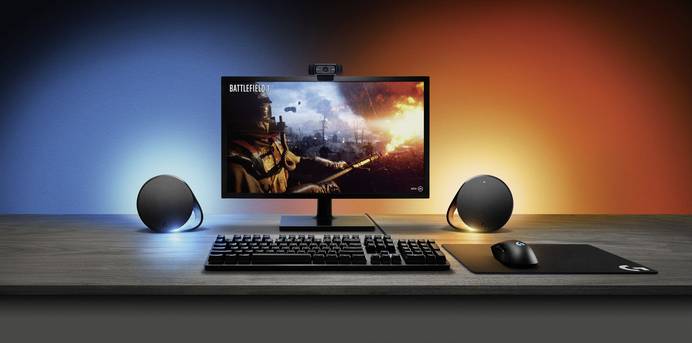
Gaming-Monitore sorgen dafür, dass die Ausgabe der Grafikkarte bestmöglich dargestellt wird. Sie überzeugen mit einer besonders hohen Auflösung und einer extrem kurzen Reaktionszeit, wodurch PC-Spiele in Full-HD oder Ultra-HD und in Echtzeit gespielt werden können.
Manche Bildschirme erreichen Bildwiederholungsraten von bis zu 240 Hz, so dass selbst rasante und grafisch aufwendige Szenen flüssig dargestellt werden. Gewölbte Ultra-HD- oder Full-HD-Bildschirme, sogenannte Curved Monitore, verstärken den räumlichen Bildeindruck.
Das verstärkt das immersive Gaming-Erlebnis und lässt das Gefühl entstehen, mittendrin im Spielgeschehen zu sein.
Gaming-Displays sind mit unterschiedlichen Bilddiagonalen erhältlich. Neben Standardausführungen mit 24 Zoll (ca. 61 cm) oder 27 Zoll (ca. 69,5 cm) gibt es sehr große Gaming-Monitore mit 49 Zoll (ca. 124,5 cm).
Daneben werden Ultra-HD- und Full-HD-Monitore in unterschiedlichen Formaten angeboten. Ultrawide-Monitore haben beispielsweise das Format 32:9 und ermöglichen es, besonders viel auf dem Spielfeld zu erkennen.
Nahezu alle Gaming-Monitore weisen eine sehr schnelle Reaktionszeit auf, was den Input Lag (Eingangsverzögerung) minimiert. Darunter versteht man eine zeitliche Lücke zwischen dem Moment, wenn das Videosignal den Monitor erreicht, und jenem, an dem das Bild sichtbar wird.
Hinsichtlich der Auflösung ist Full HD Standard. Das Auflösungsvermögen vieler Gaming-Monitore erreicht aber bereits UHD, also Ultra High Definition. Die UHD-Auflösung übertrifft die Full-HD-Auflösung und kann mit der Bezeichnung 4K gleichgesetzt werden, was einer Auflösung von 3840 x 2160 Pixel, oder grob 4000 Pixeln in der Horizontale, entspricht. Monitore mit HDR (High-Dynamic-Range) bieten optimale Kontraste und eine exzellente Farbleistung.
Als Anschlüsse bieten Gaming-Monitore eine Vielfalt von Schnittstellen: USB-C-, HDMI- und HDMI-2.0-Anschlüsse sind die Regel. Zur Übertragung von Bildsignalen in 4K- beziehungsweise Ultra-HD-Bildsignalen dienen HDMI-2.0-Anschlüsse, die prinzipiell gleich aufgebaut sind wie bei HDMI, aber mehr Daten übertragen können.
Manche Monitore bieten einen sogenannten Gameplus-Modus, der es ermöglicht, Zielhilfen auszuwählen, die in der Bildschirmmitte eingeblendet werden. Das kann zum Beispiel ein Fadenkreuz oder einen „Aimpunkt“ sein.
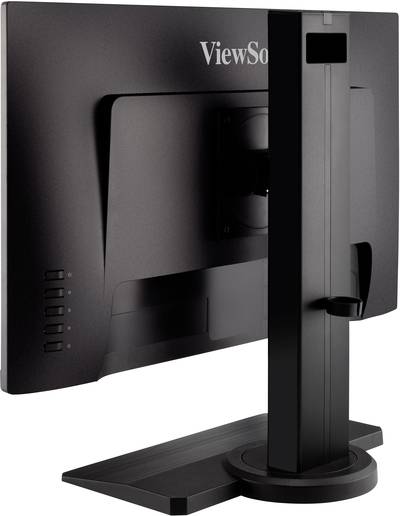
Bildschirmdiagonale
Zunächst einmal bedeutet größer nicht zwangsläufig besser. Ist die Bildschirmdiagonale zu groß, kann das abhängig vom jeweiligen Game-Kontext und Betrachtungswinkel dazu führen, dass man beim Spielen den Überblick verliert. Üblicherweise haben Gaming-Monitore Bildschirmdiagonalen von 24 bis 27 Zoll.
Bildübertragungs- und Bilddarstellungsqualität
Des Weiteren ist Augenmerk auf die Bildübertragungs- und Bilddarstellungsqualität (Reaktionszeit in ms und Auflösung in Pixel) zu legen. Je höher die Bildwiederholrate, desto ruckelfreier das Bild. Die Ansprüche an Auflösung und Reaktionszeit sind abhängig davon, welche Games gespielt werden. Grafisch aufwendige, schnelle Spiele wie Egoshooter stellen höhere Anforderungen an einen Gaming-Monitor als beispielsweise Strategiespiele.
Mögliche Anschlüsse
Auf Anzahl und Art der Anschlüsse (HDMI, HDMI 2.0 usw.) ist ebenfalls zu achten.
Weitere Features
Zusätzliche Features gilt es ebenfalls zu berücksichtigen. Sinnvoll kann beispielsweise ein höhenverstellbarer Standfuß sein, um den Bildschirm optimal auf Körpergröße und Sitzposition auszurichten. Zudem sollten Sie einen Blick auf die Energieeffizienzklasse werfen.
Unser Praxistipp: Format auf die Raumsituation abstimmen
Am meisten Freude werden Sie an einem Gaming-Monitor haben, dessen Größe und Format auf die Raumsituation abgestimmt sind, in der Sie spielen. In dem Zusammenhang ist insbesondere der Abstand einzubeziehen, den Sie vor dem Display perspektivisch einnehmen werden. Als Faustregel gilt: Je größer der Monitor, desto weiter entfernt sollte man sitzen, um alles gut überblicken zu können.
Wozu ist ein IPS-Panel gut und wozu ein VA-Panel?
Ein IPS-Panel (IPS = In-Plane-Switching) ist aus Flüssigkristallen zusammengesetzt, die parallel zueinander und horizontal ausgerichtet sind. Sie ermöglichen einen besonders weiten Betrachtungswinkel mit einer gleichmäßig guten Farbdarstellung. Im Gegensatz zu IPS ist ein VA-Panel (VA = Vertical Alignment) mit vertikal angeordneten Flüssigkristallen ausgestattet. Sobald Spannung angelegt wird, rotieren die Kristalle in eine horizontale Position und erzeugen einen hohen Bildkontrast. Zusammenfassend lässt sich sagen: VA-Panels überzeugen in puncto Kontrast, IPS-Panels hinsichtlich der Farbwerte. Darüber hinaus punkten IPS-Panel mit vergleichsweise kurzen Reaktionszeiten und eigenen sich daher besonders gut für das Gaming.
Was unterscheidet LED-Monitore von LCD-Monitoren?
LCD-Monitore sind Flüssigkeitskristalldisplays und können sowohl mit IPS- als auch mit VA-Panels ausgestattet sein. Gaming-LED-Monitore sind im Grunde auch LCDs, hier werden allerdings zur Hintergrundbeleuchtung LEDs eingesetzt. Dadurch ist es möglich, besonders flache Bildschirme zu bauen, die leuchtende Farben wiedergeben. Im Gegensatz zu LCD-Monitoren mit Leuchtstoffröhren als Hintergrundbeleuchtung überzeugen LED-Displays mit einem exzellenten Kontrast. Nicht zuletzt versprechen LEDs eine lange Lebensdauer und büßen mit der Zeit kaum an Leuchtkraft ein.
Was versteht man unter Free-Sync?
Free-Sync ist eine vom Grafikkartenhersteller AMD entwickelte, adaptive Synchronisierungstechnologie für Gaming-Bildschirme mit variabler Bildwiederholfrequenz. Sie soll visuelle Artefakte verhindern, die durch Stottern, Ruckeln und Tearing entstehen. Von Tearing spricht man, wenn Aufbau und Anzeige des Bilds nicht mit der Bildschirmwiedergabe synchronisiert sind und das Bild dadurch zerrissen erscheint. Ein Pendant zu Free-Sync bietet NVIDIA mit G-Sync an. Wenn Sie eine AMD-Grafikkarte mit Free-Sync oder eine NVIDIA-Grafikkarte mit G-Sync nutzen, ist darauf zu achten, dass der Monitor die jeweilige Technologie unterstützt.